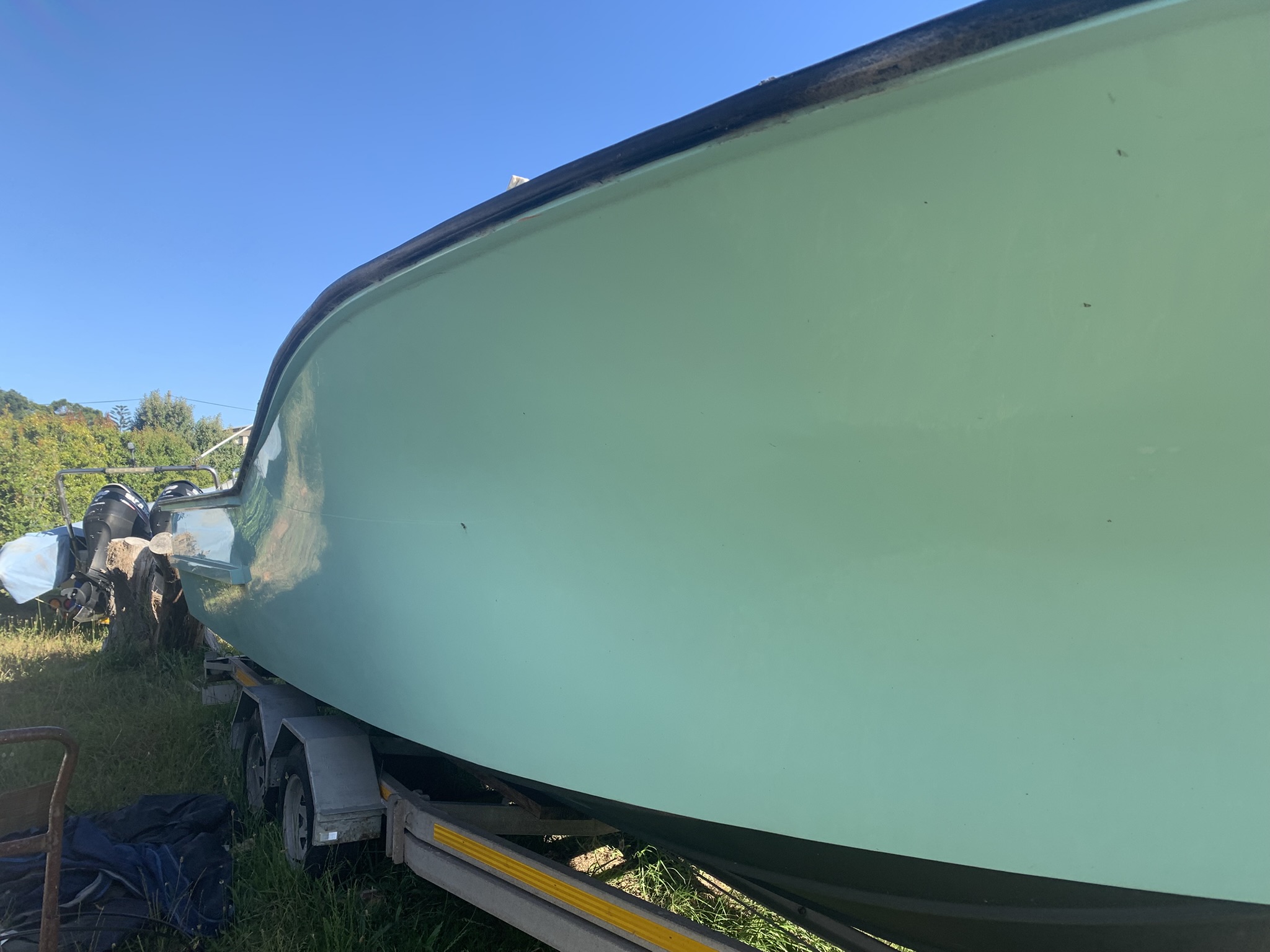
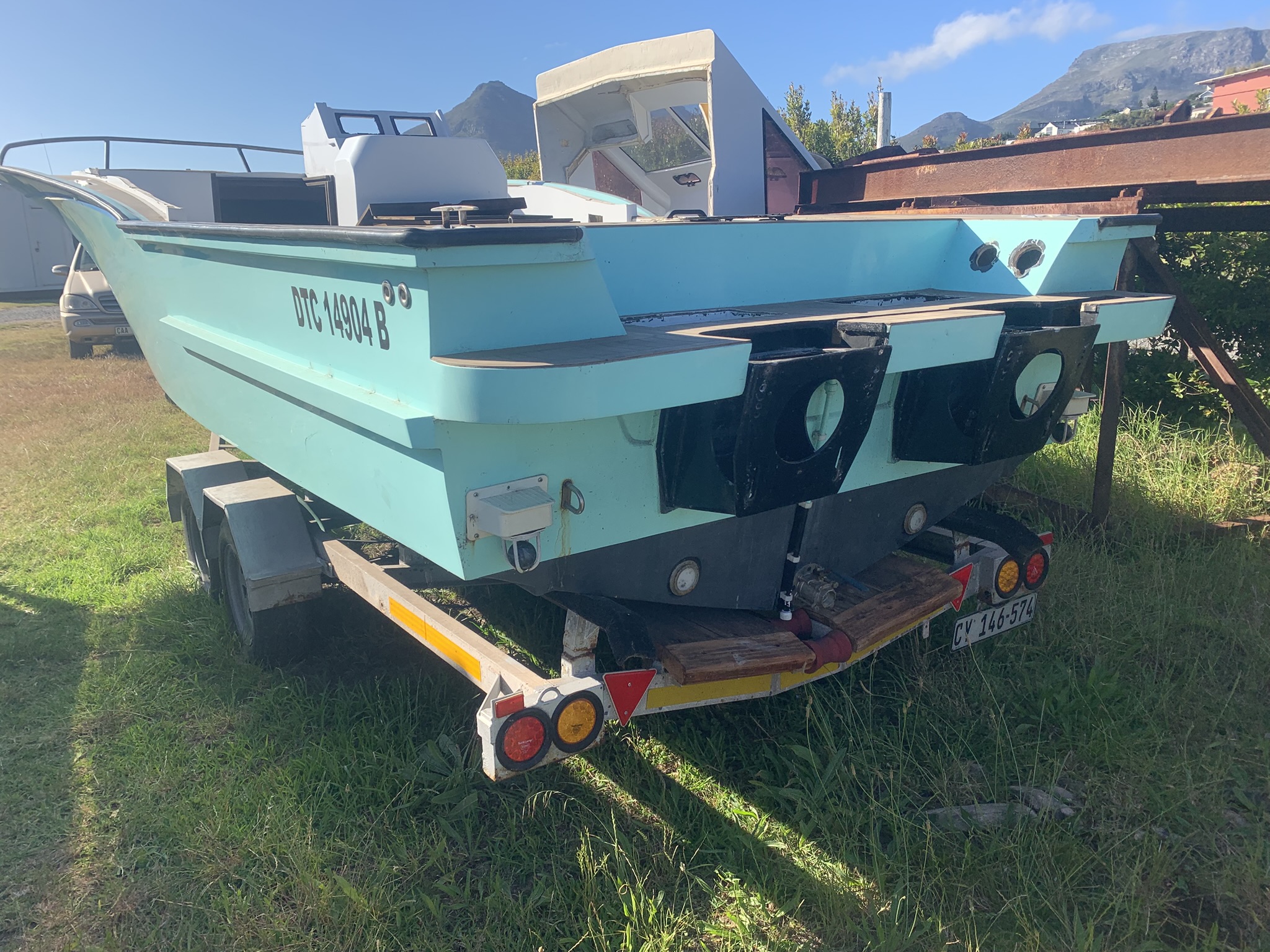
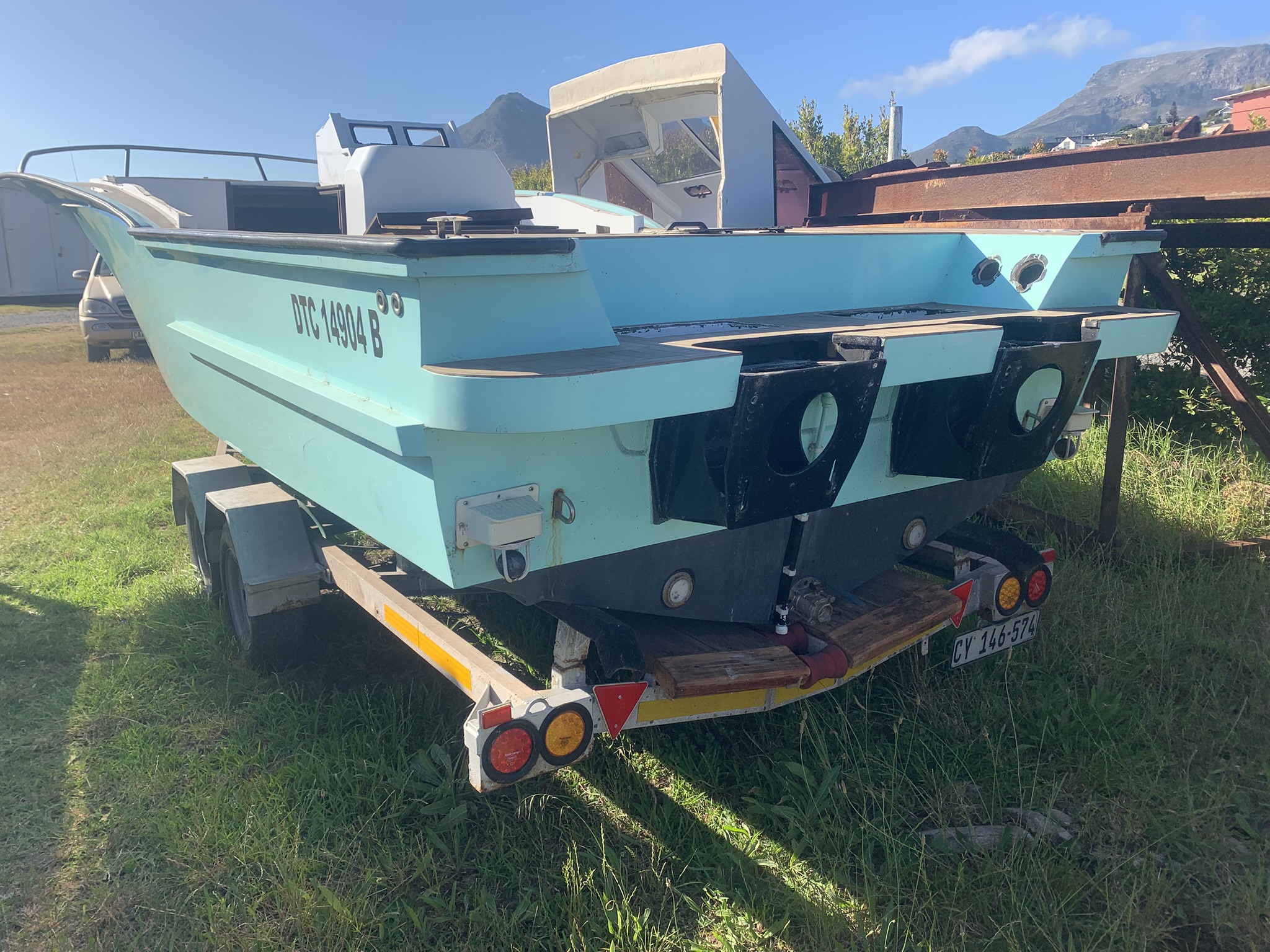
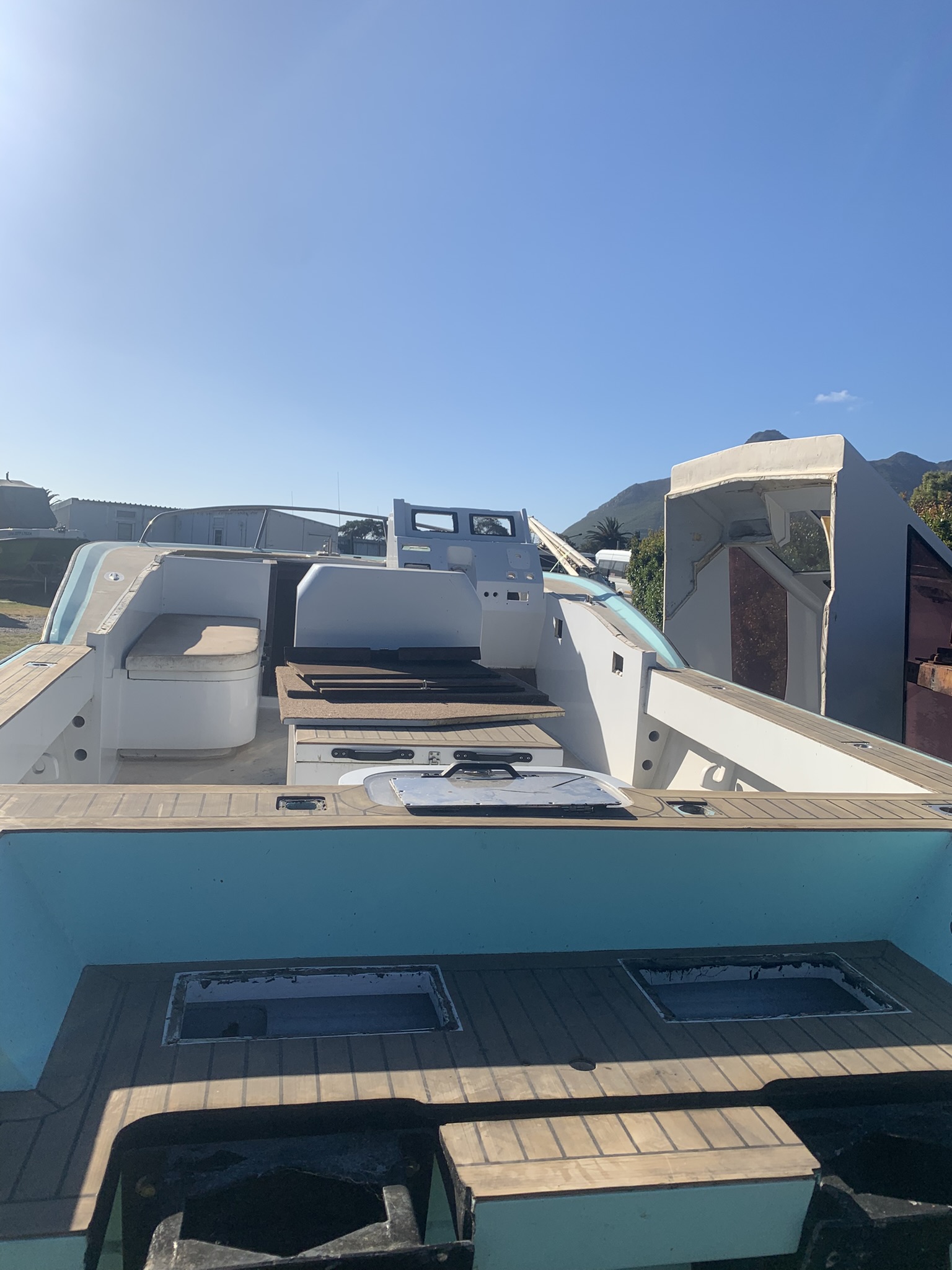
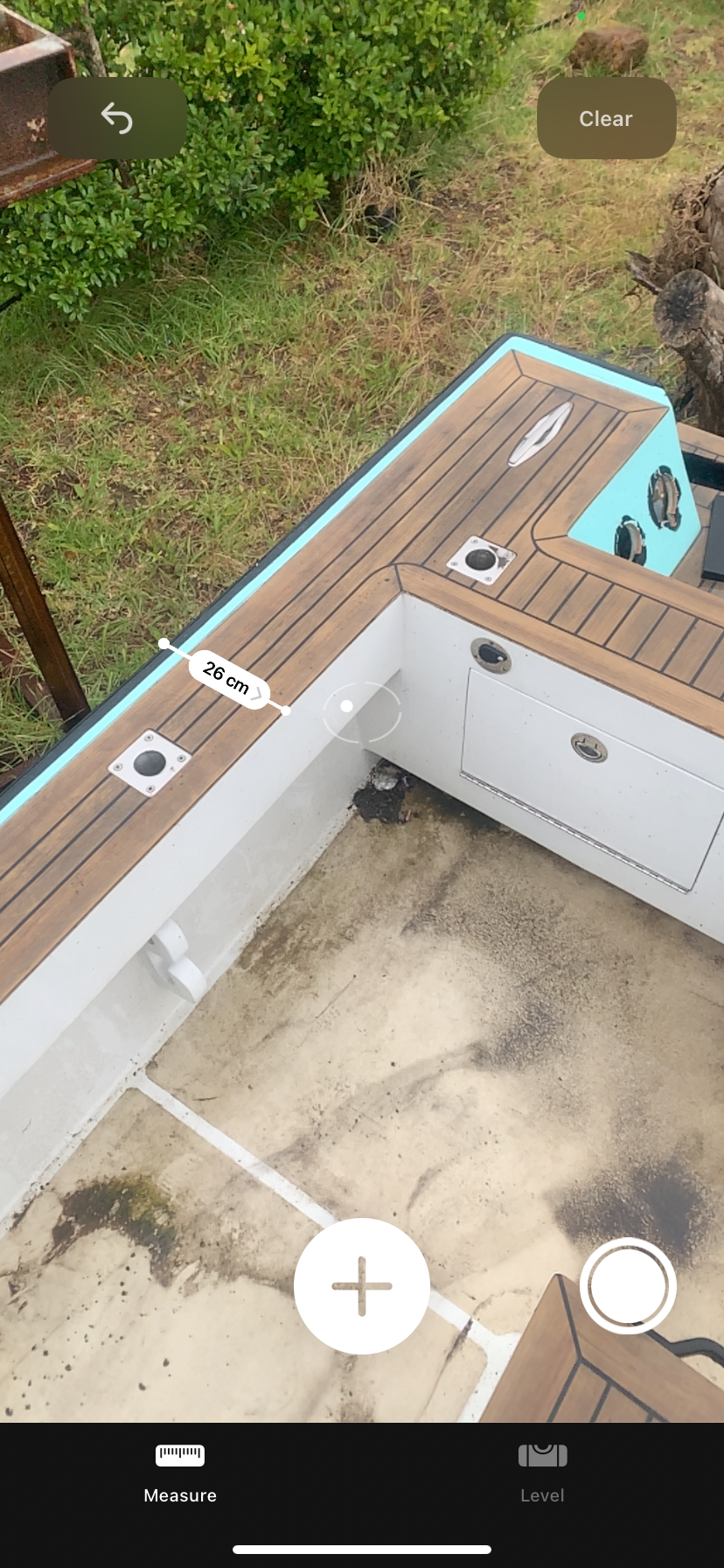
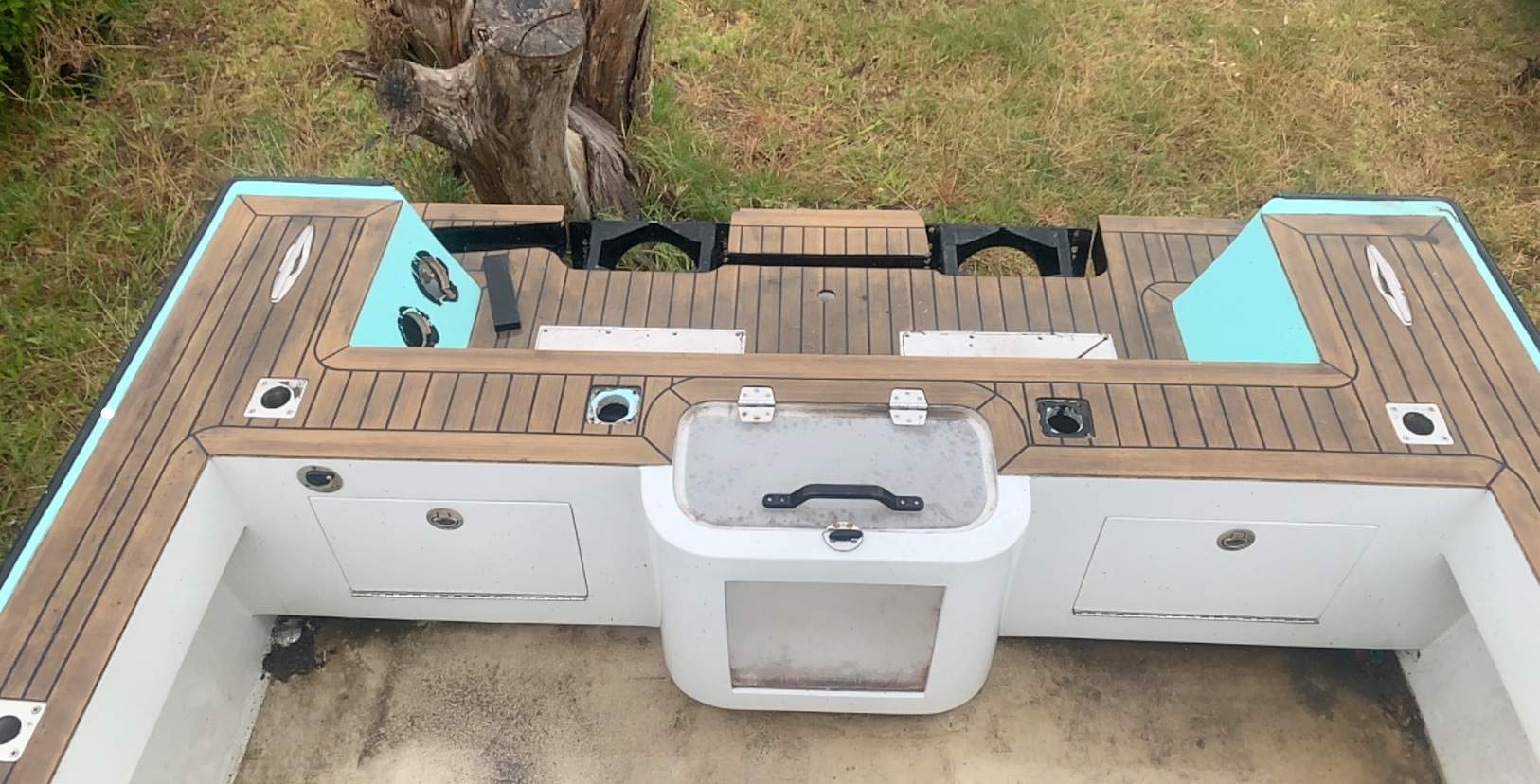
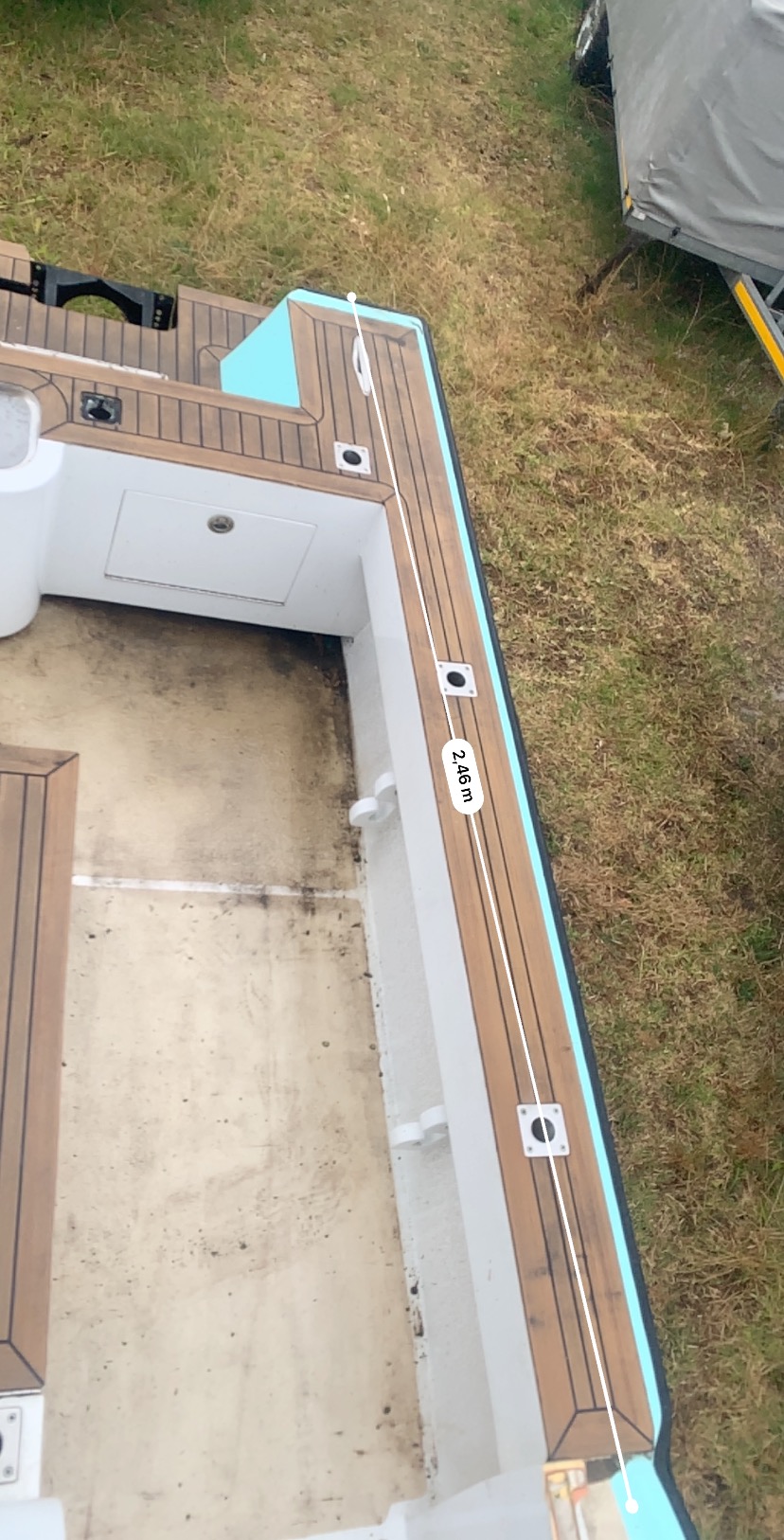
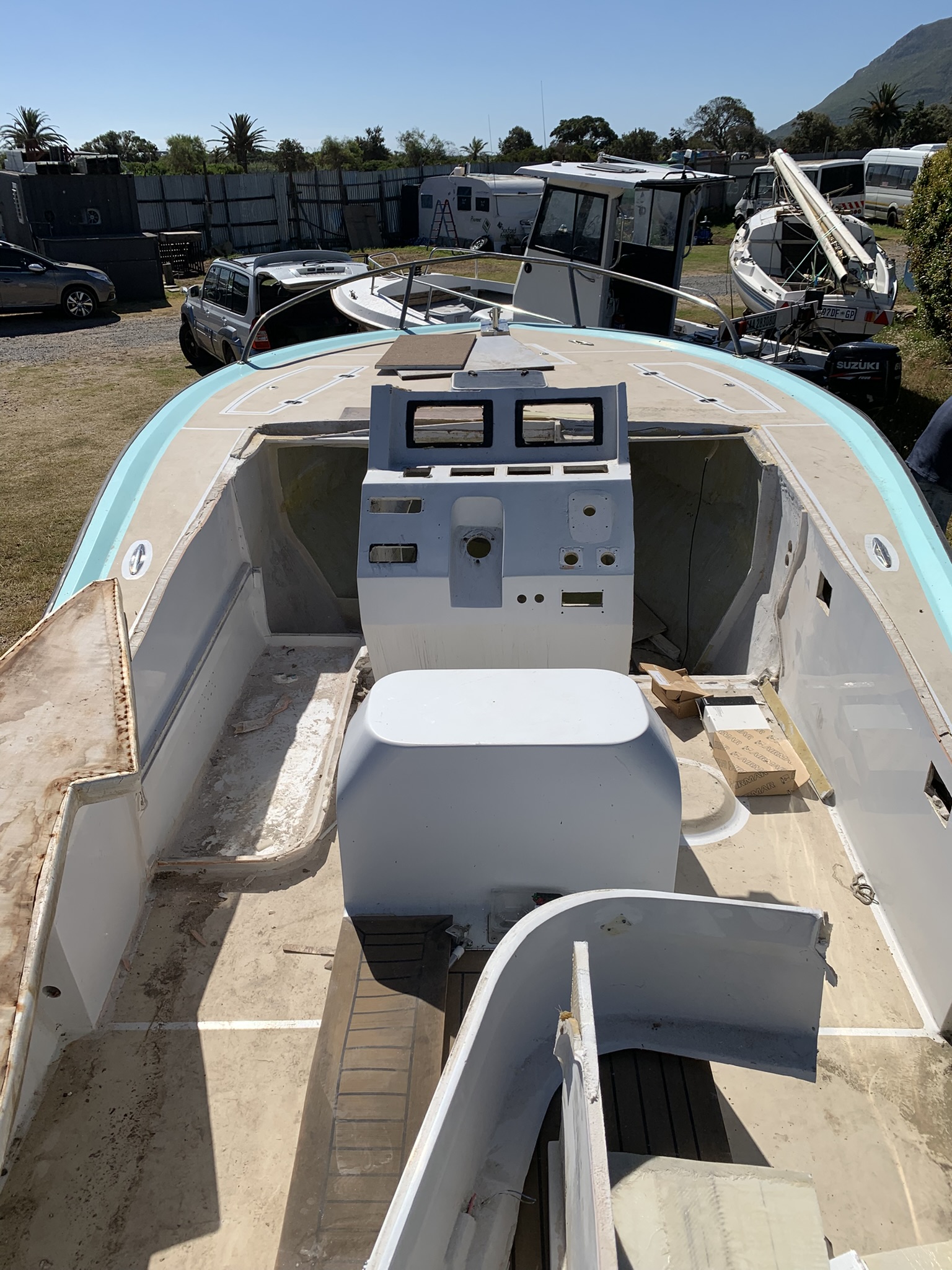
From Concept to Launch: The Design and Build of Hey Charlie
GARETH BEW
18 July 2026178 views
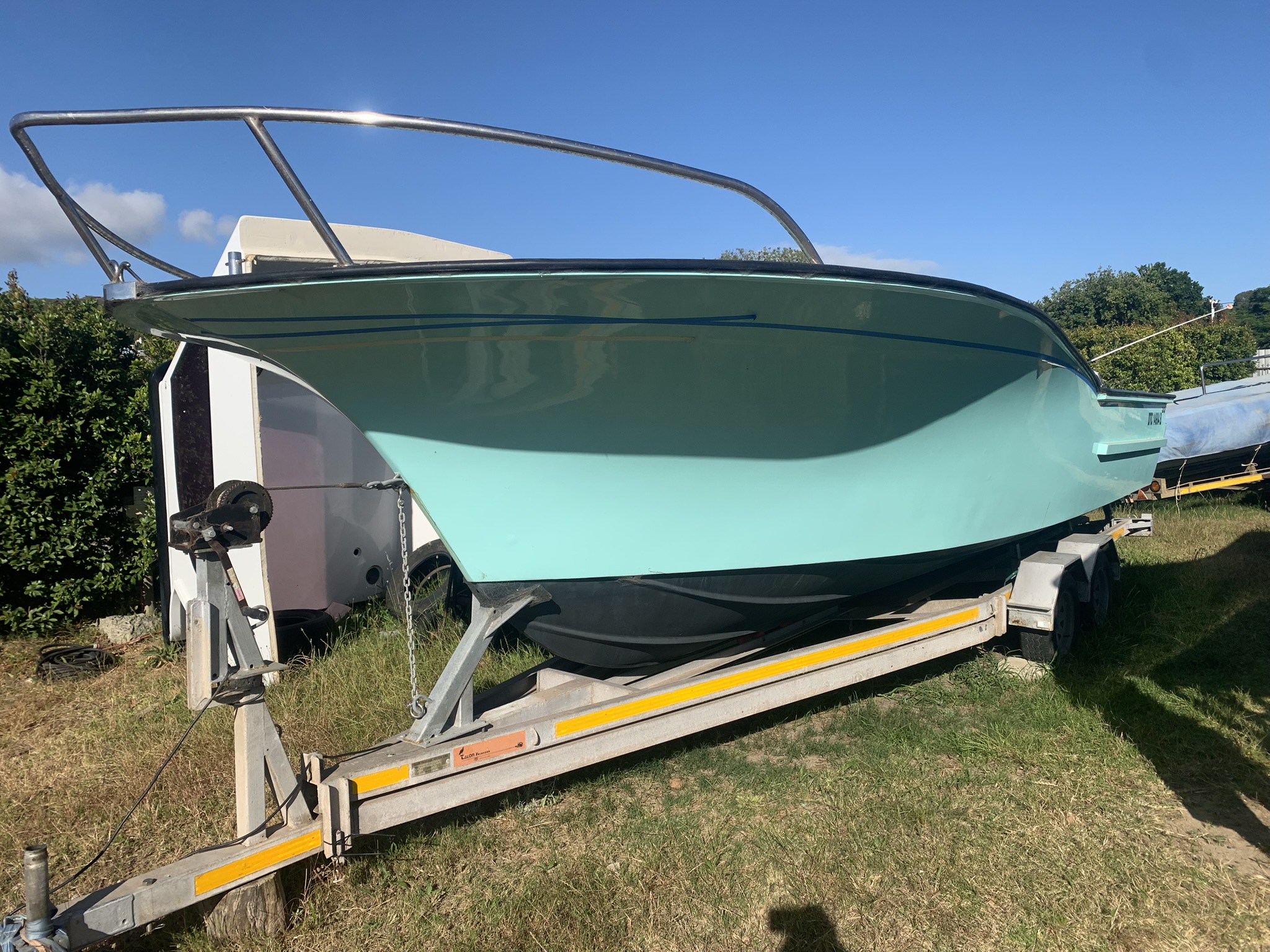
On 15 December 2025, Hey Charlie existed as an idea.
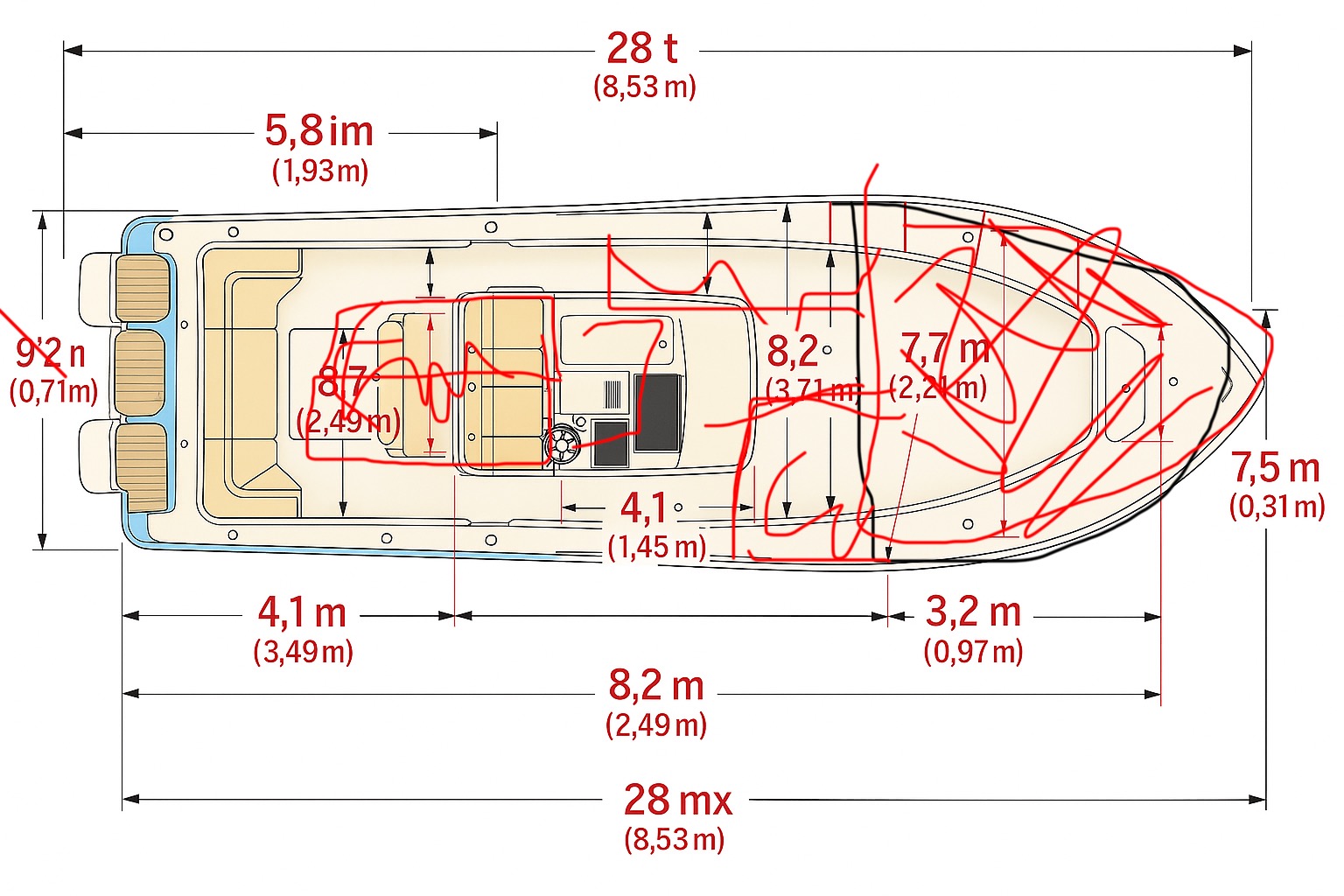
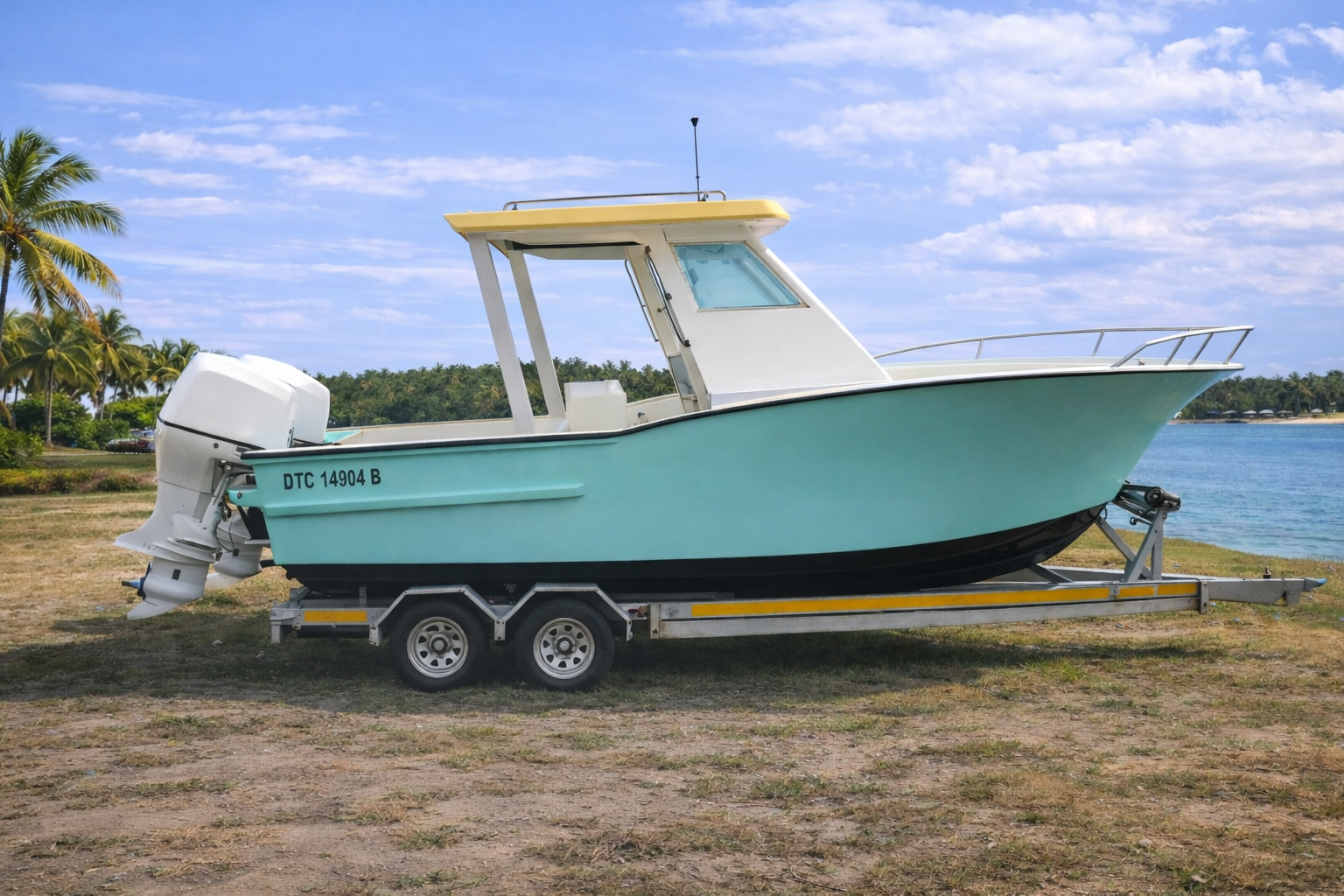
The vision was to create a capable 28-foot offshore boat designed for the demanding waters of the Cape—one that could combine serious fishing ability, dependable performance, passenger comfort and the versatility required for private charters.
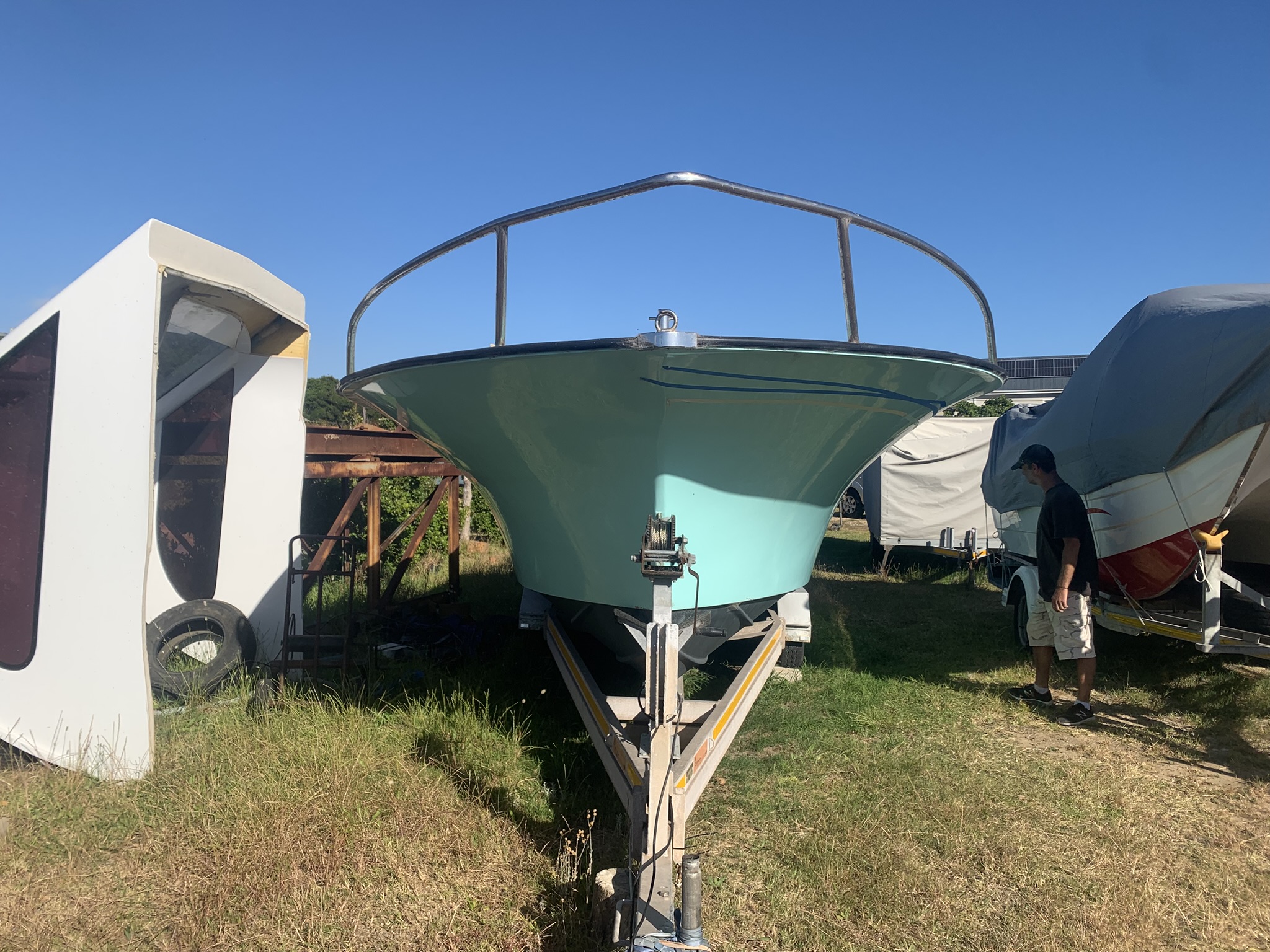
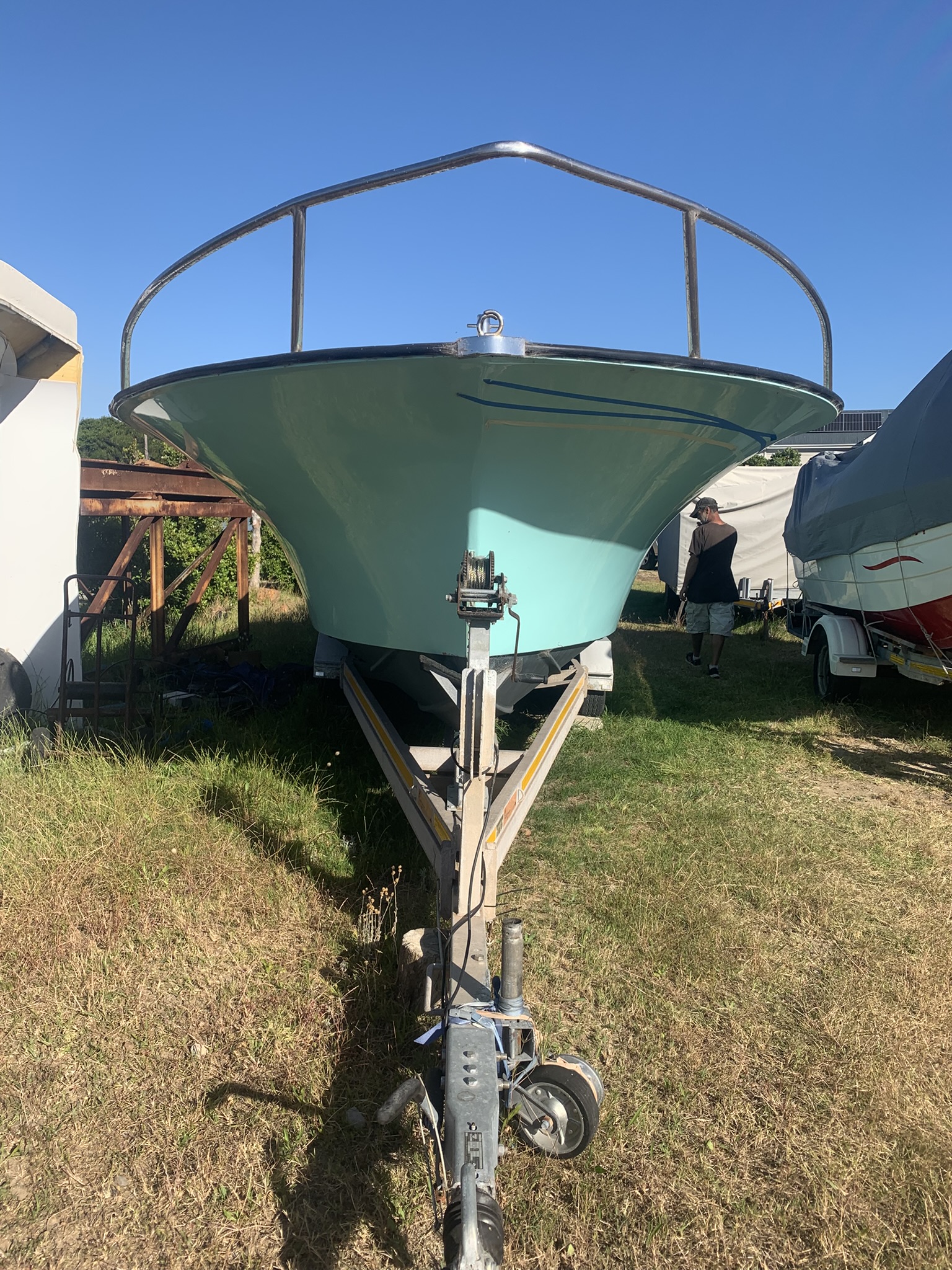
Less than six months later, that idea had become a completed vessel preparing to begin its life on the water.
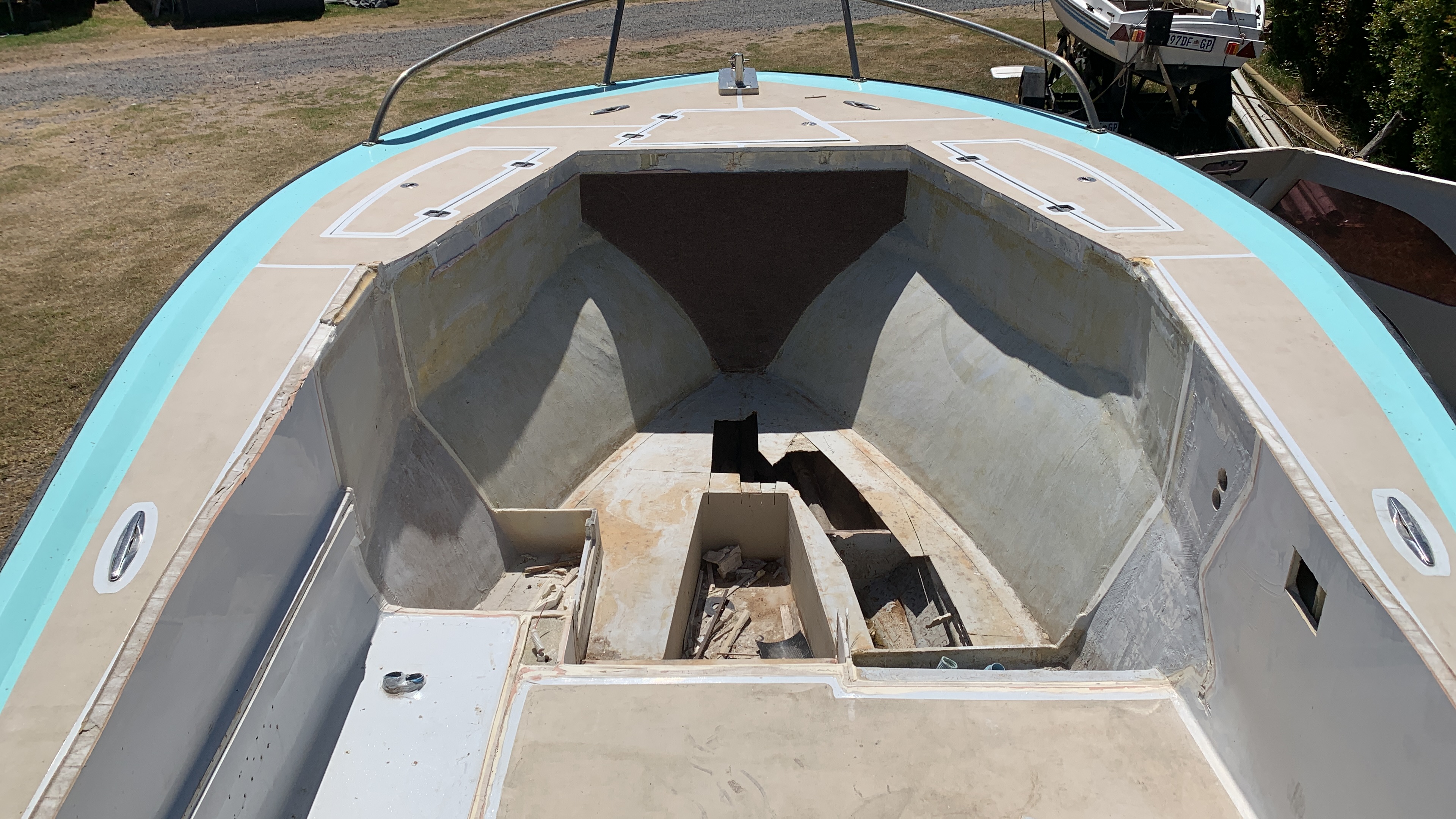
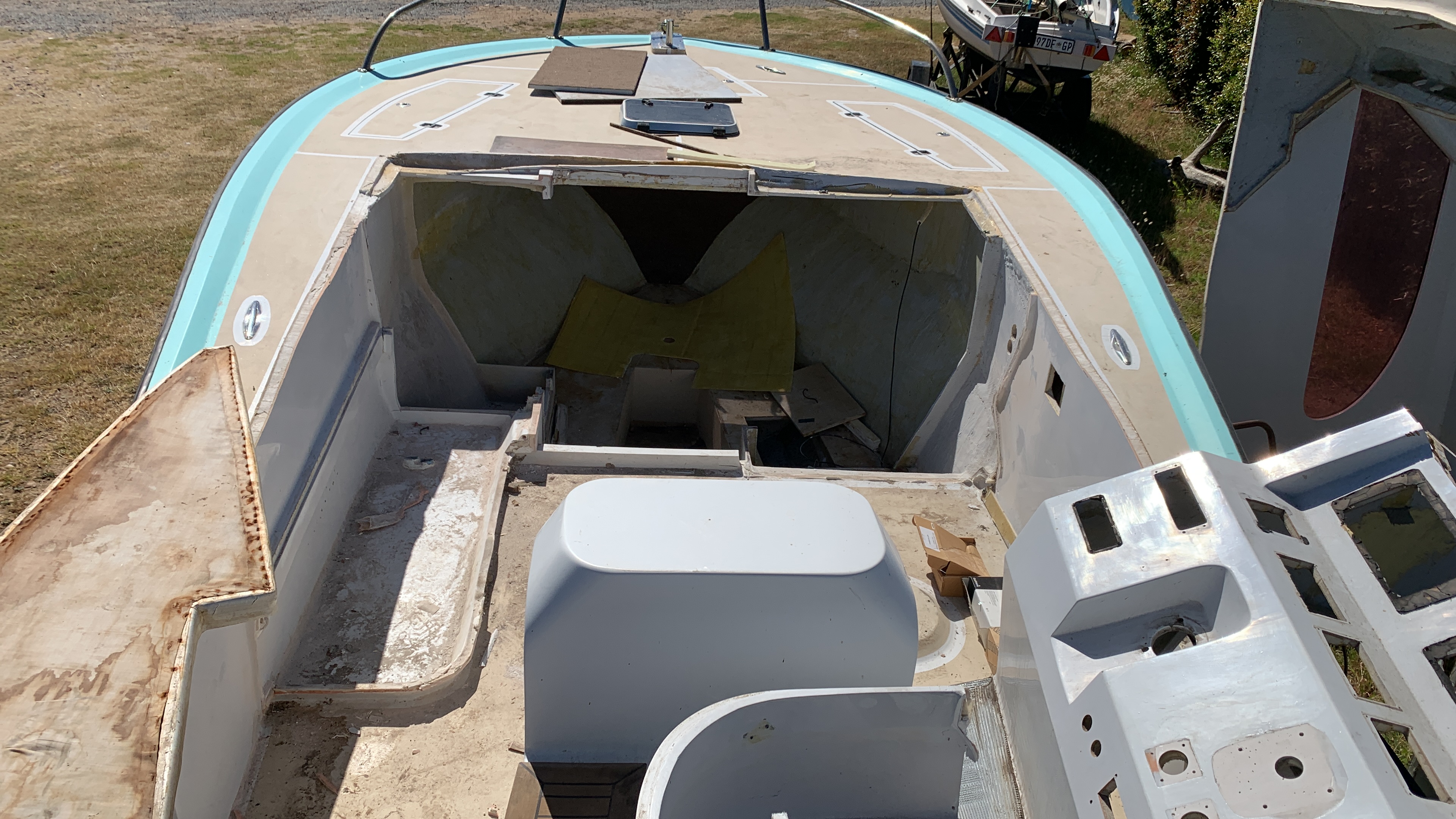
The journey from December 2025 to May 2026 was intense. It required clear design thinking, careful construction, constant problem-solving and the coordination of every element needed to turn an ambitious concept into a professional charter boat.
This is the story of how Hey Charlie was designed, built and prepared for launch.
It Started With a Clear Purpose
The project did not begin with colours, finishes or branding.
It began with a simple but demanding question:
What must this boat be capable of doing?
Hey Charlie needed to operate confidently in Cape waters, where wind, swell and visibility can change quickly. It needed to provide a stable and practical working platform for offshore fishing while remaining comfortable and welcoming for private charter guests.
The vessel also needed to be versatile.
One day could involve heading offshore before sunrise for a serious fishing trip. Another could involve a relaxed coastal cruise, marine wildlife encounter, family outing, private celebration or sunset experience.
The boat could not be designed for only one type of journey. It needed to adapt without compromising safety, functionality or character.
That purpose shaped every decision that followed.
Designing the Boat as One Complete System
A successful offshore boat is not simply a collection of engines, electronics, seating and equipment.
Every part affects something else.
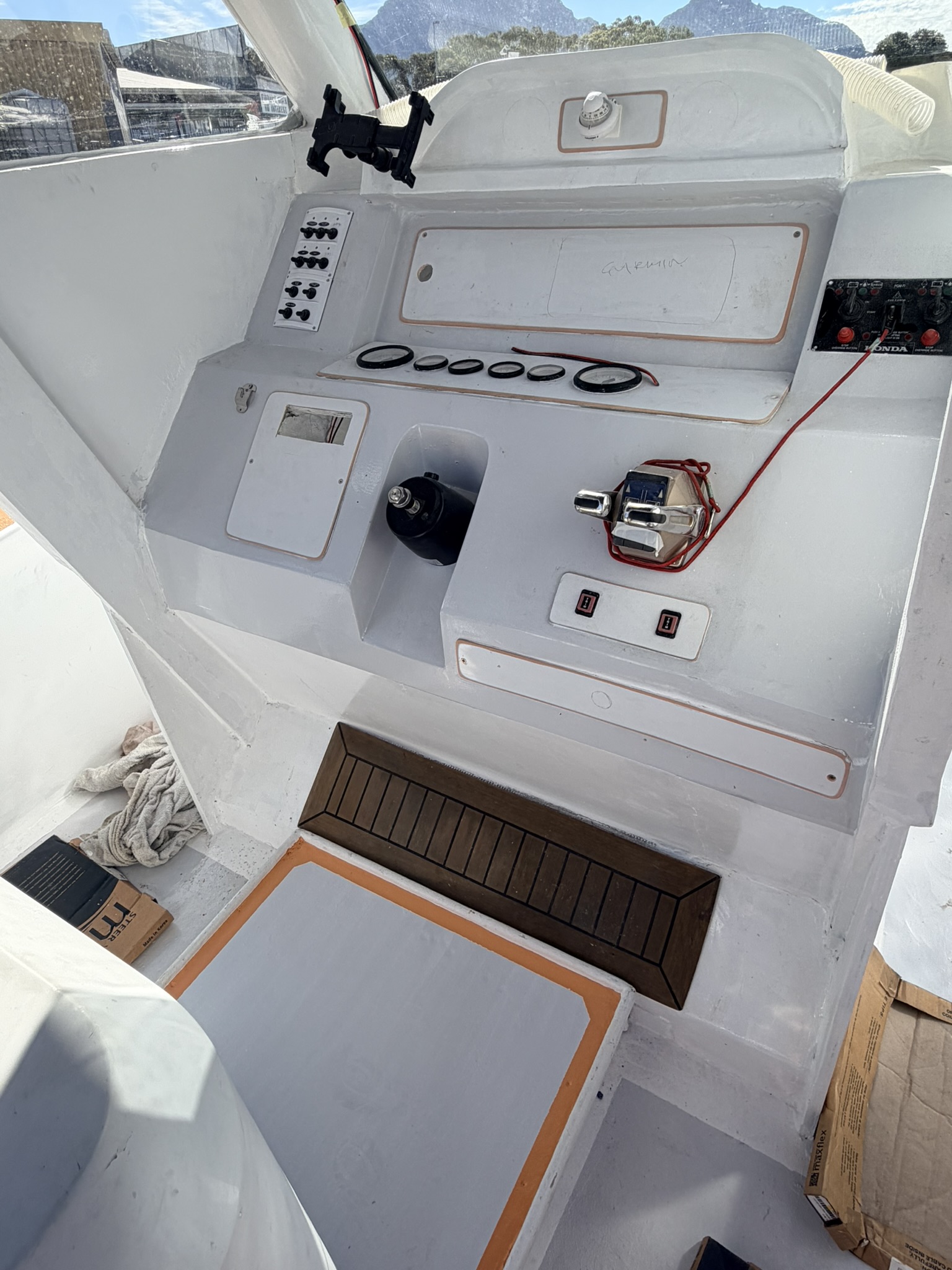
Additional equipment influences weight and electrical demand. Seating affects movement and usable deck space. Storage must be accessible without becoming an obstruction. Electronics must be visible to the skipper without compromising the view from the helm. Mechanical systems need protection while remaining accessible for inspection and maintenance.
The design of Hey Charlie therefore had to consider the entire vessel as one connected system.
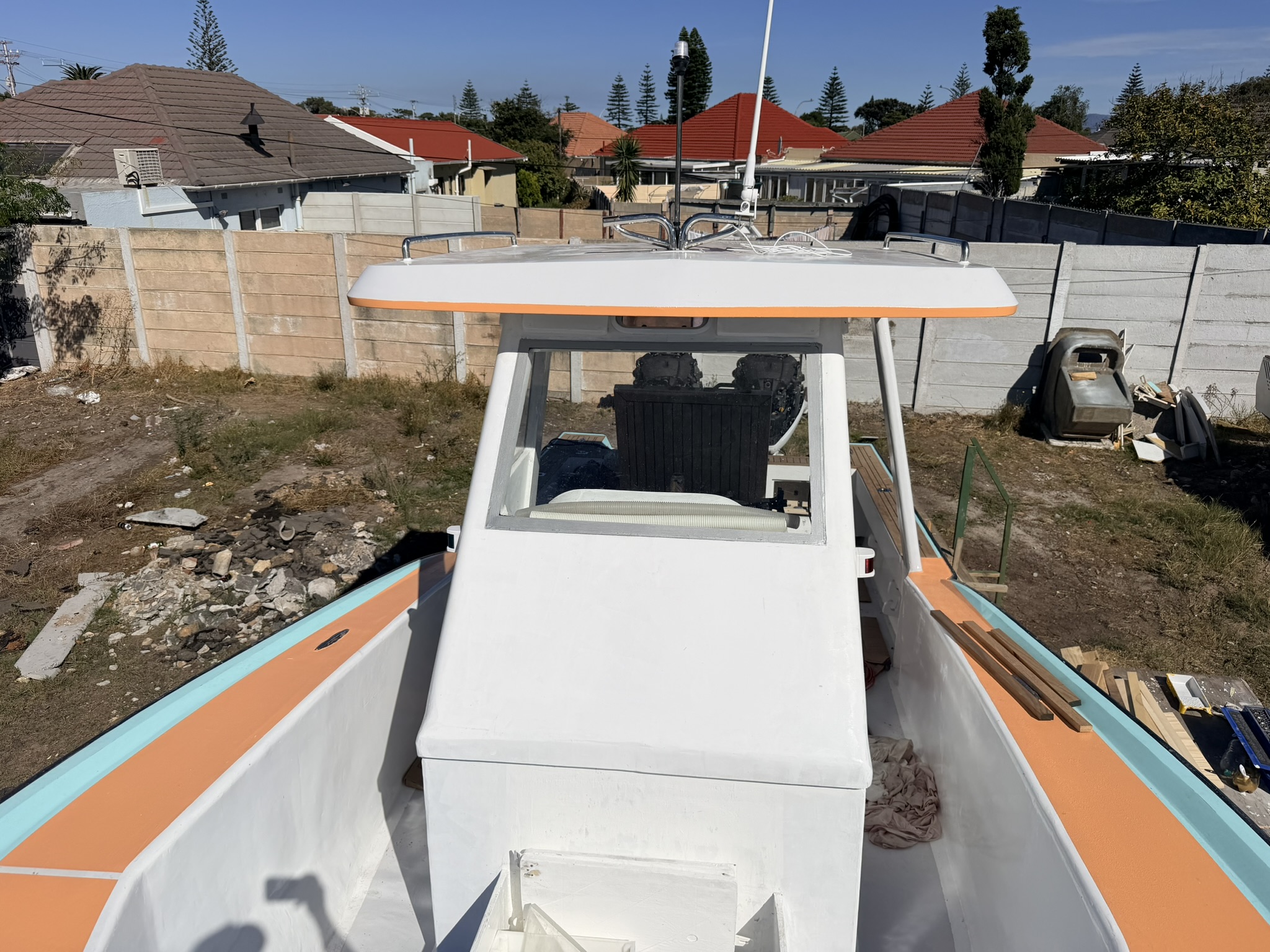
The helm, deck, cabin, passenger areas, working spaces, storage, safety equipment, navigation systems and mechanical components all needed to support one another.
Each decision had to be tested against practical questions:
Would this work while the boat was moving through an unsettled sea?
Could the skipper reach critical controls immediately?
Could guests move safely without obstructing the crew?
Would anglers have enough working space?
Could equipment be stored securely and reached when required?
Would the layout remain comfortable during a longer passage?
The objective was not only to make Hey Charlie look complete.
It was to make the boat work properly.
Building for the Cape
Cape waters are spectacular, but they demand respect.
A vessel operating in this environment must be prepared for more than calm conditions and a perfect forecast. Wind can strengthen quickly. Swell direction can change the character of a route. Visibility can deteriorate, and a comfortable trip can become demanding when conditions turn.
Hey Charlie was designed with those realities in mind.
Stability, movement, visibility, access and protection from the elements all influenced the build. The vessel needed to feel secure under way while giving the skipper the visibility and control required to make sound decisions.
The design also had to support responsible route planning and changing operational requirements. A professional charter boat must be capable of adapting when the ocean does not cooperate with the original plan.
The guiding principle remained clear throughout the project:
The boat must be ready for the conditions—not only the occasion.
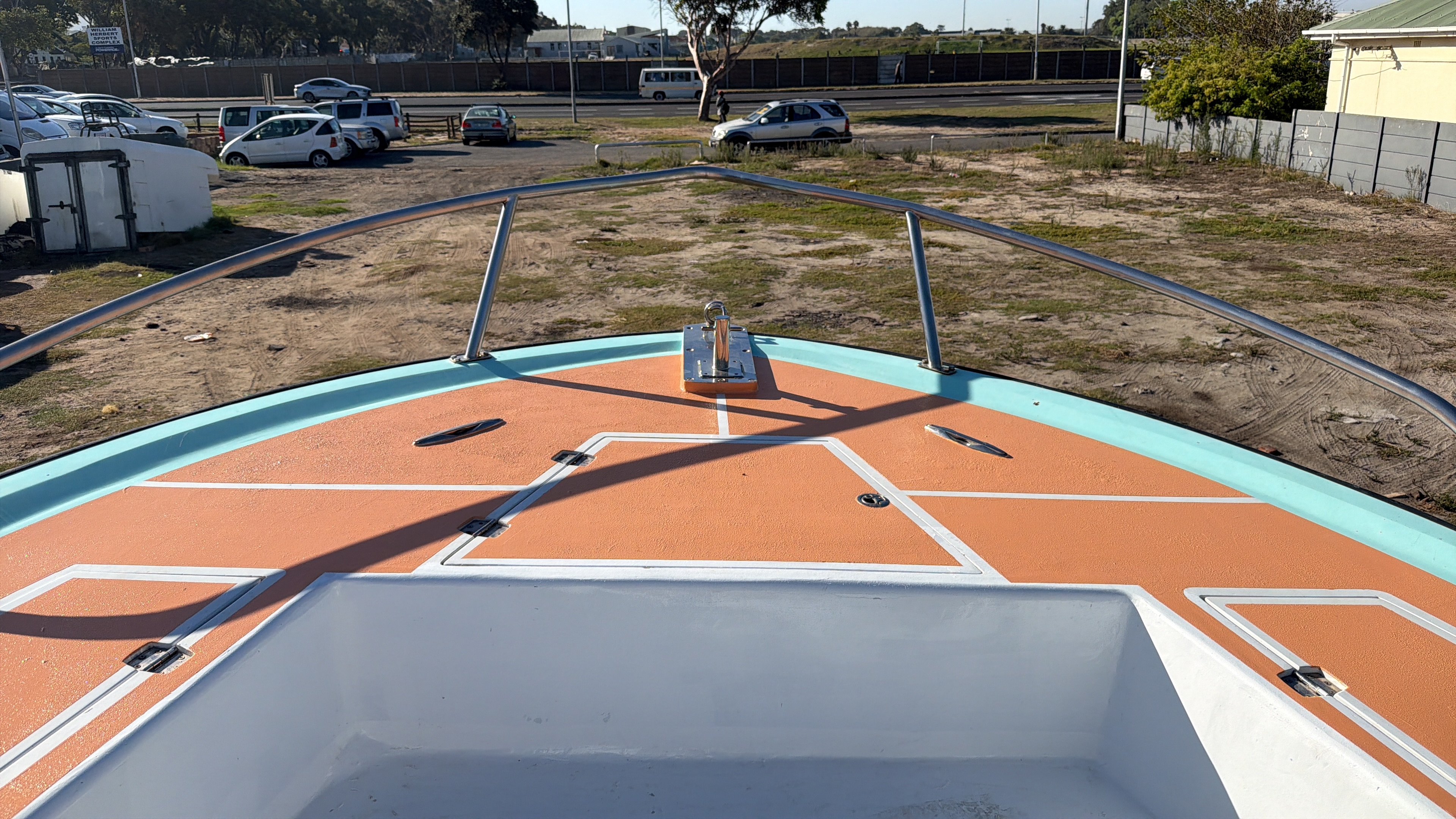
Creating the Working Deck
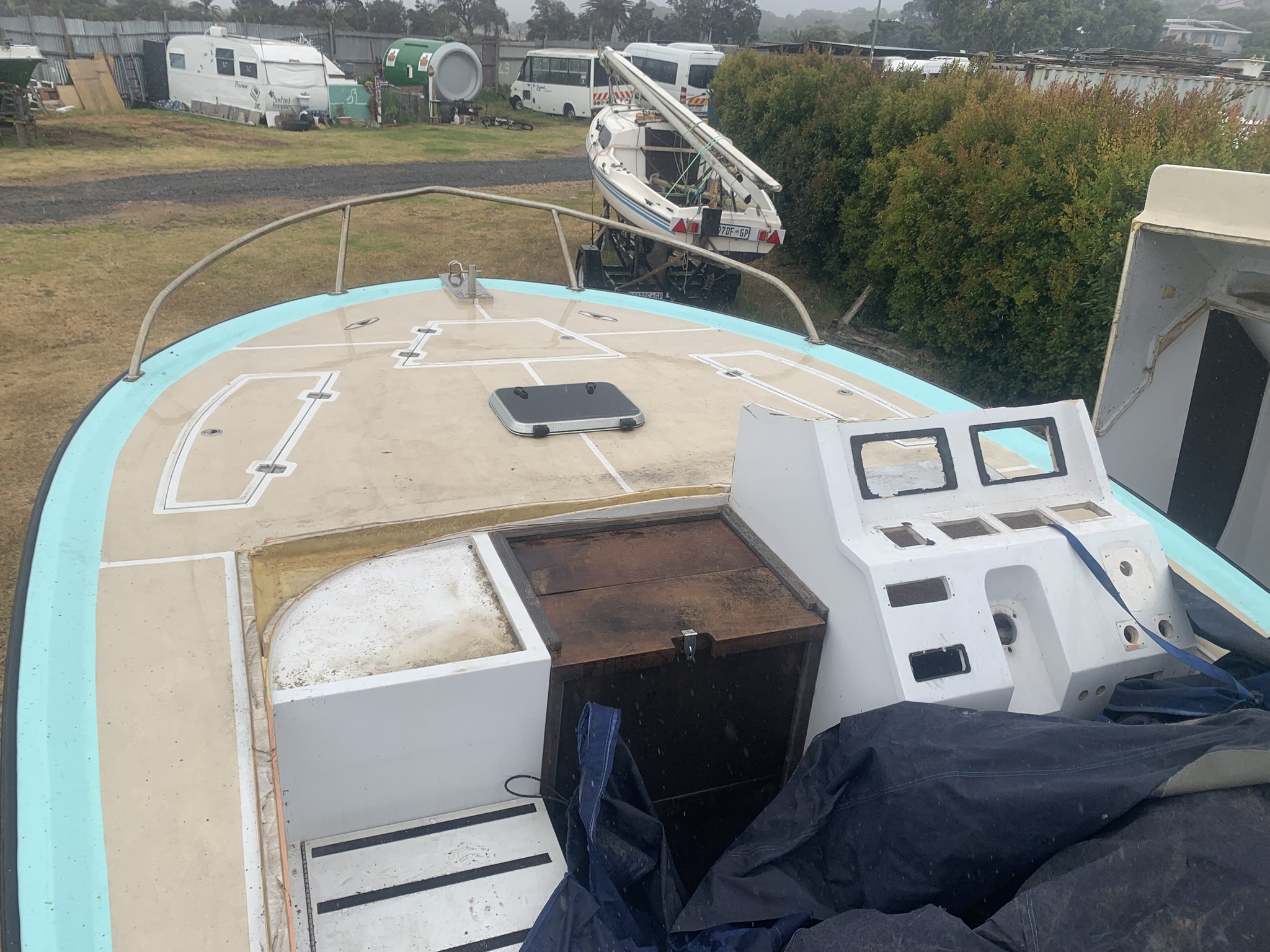
The deck is one of the most important areas on an offshore charter boat.
For fishing trips, it must provide enough open space for anglers and crew to work safely. Rods, tackle and equipment need logical positions. Movement cannot be obstructed, and frequently used items must remain accessible.
For leisure charters, that same area must feel comfortable and welcoming.
Guests need space to move, enjoy the view, take photographs and spend time together without feeling crowded or interfering with the operation of the vessel.
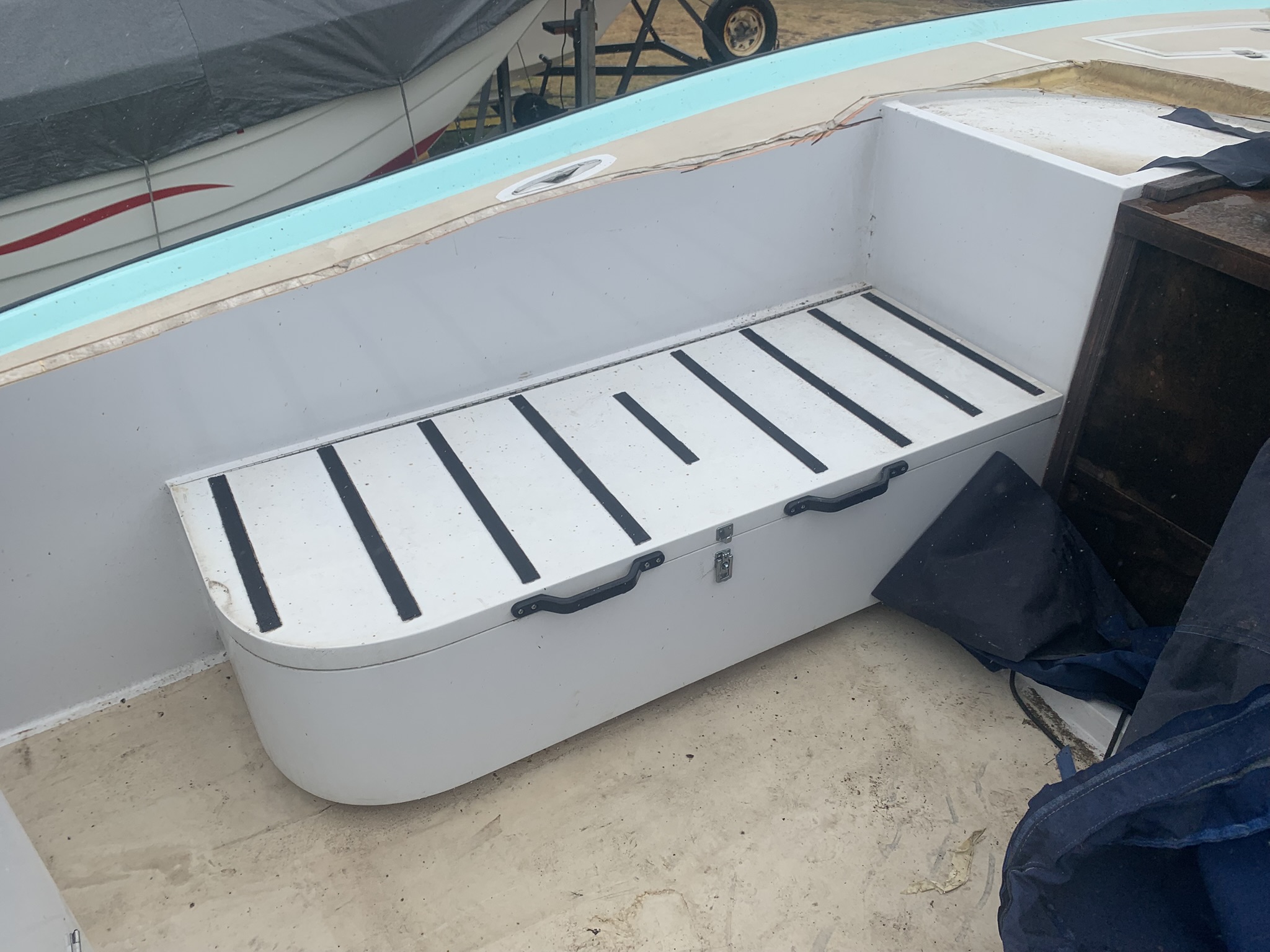
The Hey Charlie deck was therefore developed as a multipurpose environment.
It needed the practicality of a serious fishing platform while still supporting the relaxed and personal atmosphere expected from a private charter.
That balance became central to the identity of the boat: capable without feeling industrial, comfortable without losing its offshore purpose and professional without becoming formal.
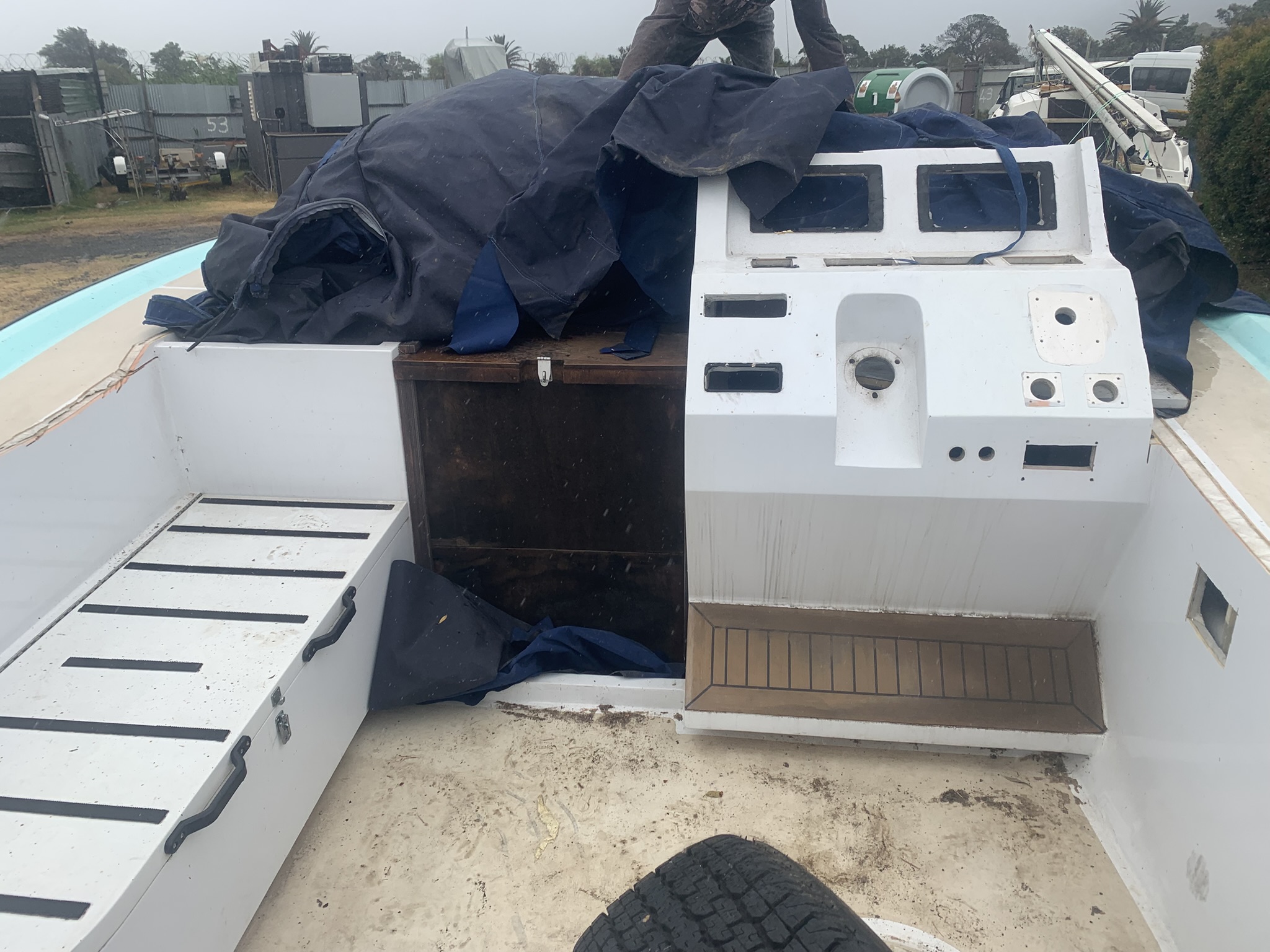
Bringing the Technical Systems Together
The visible parts of a boat tell only a small part of the construction story.
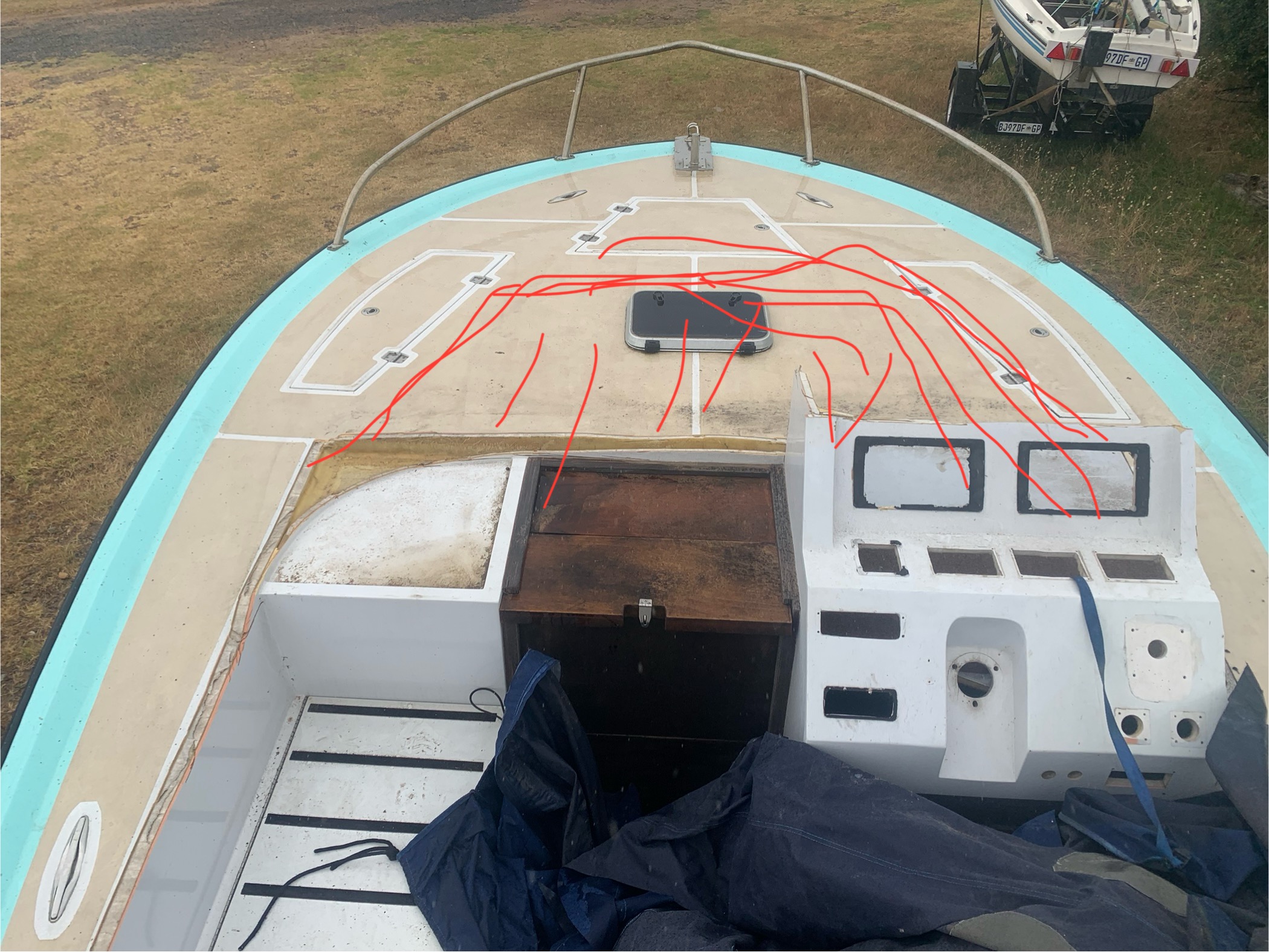
Behind the finishes sits a network of mechanical, electrical, navigation, communication and safety systems that must work reliably together.
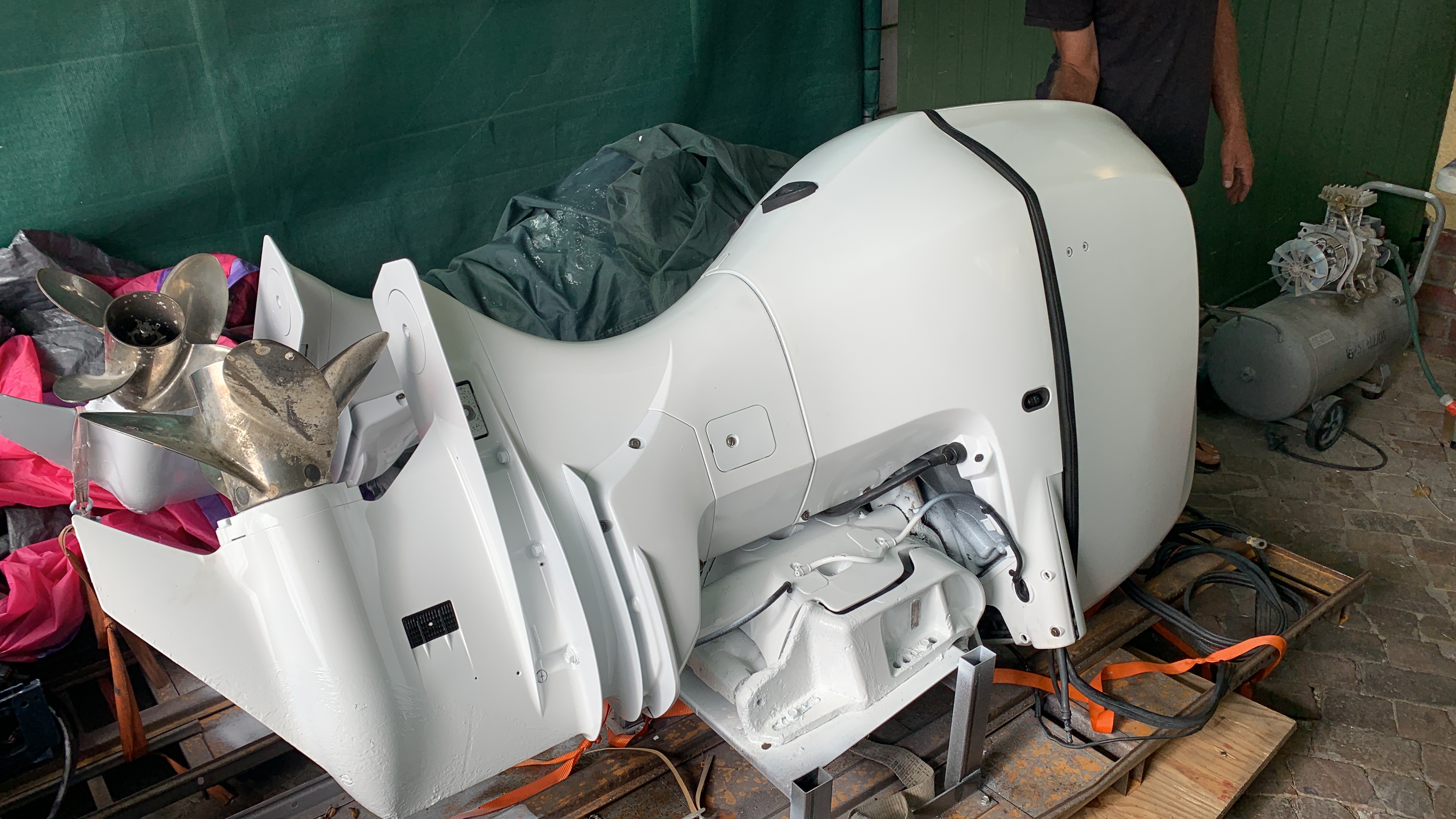
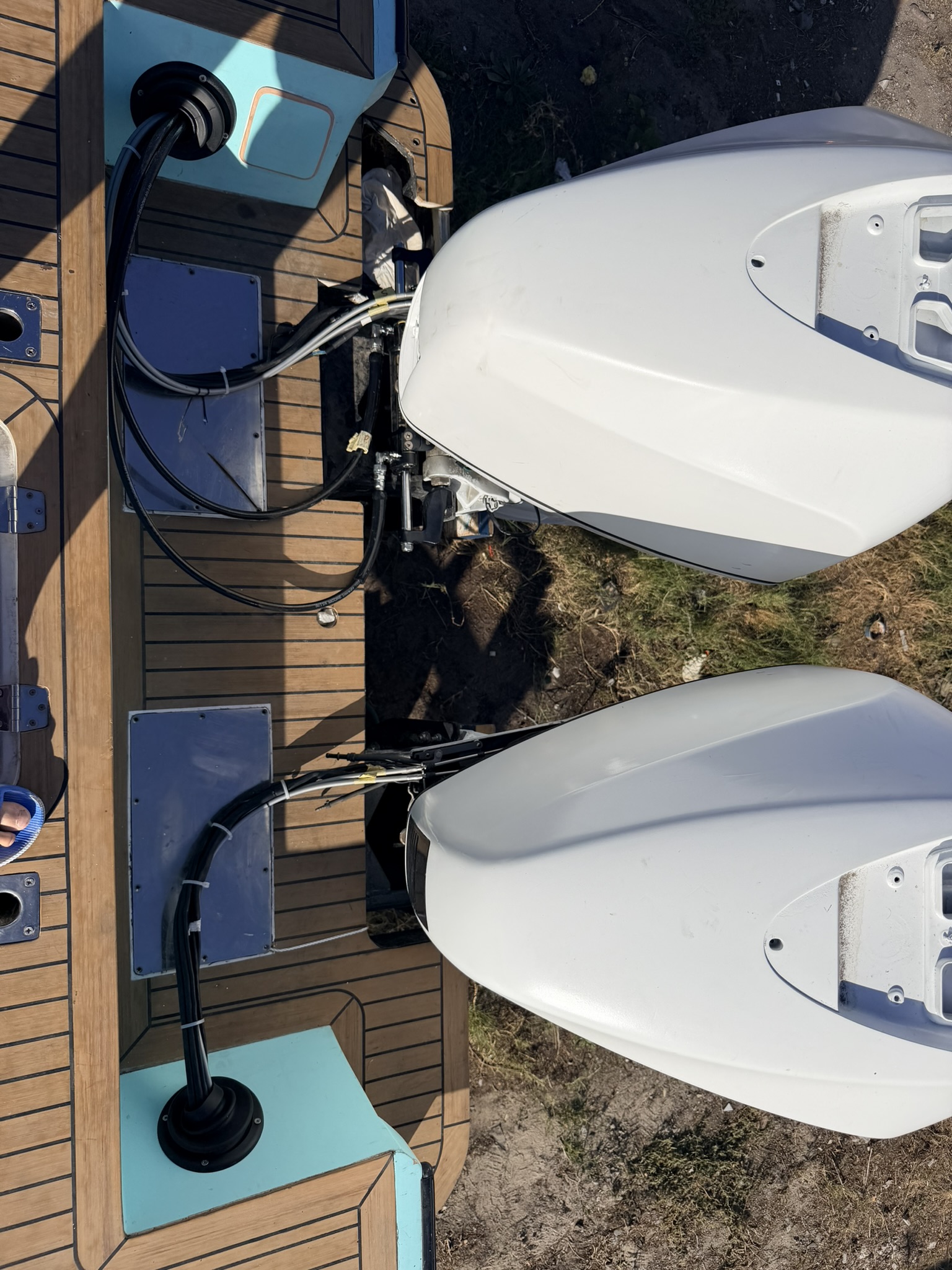
The propulsion and steering systems must respond properly. Electrical power must be distributed safely. Navigation and communication equipment must be accessible and visible. Wiring, batteries, pumps and other components need to be secured, protected and serviceable.
The challenge was not only to install each component.
The challenge was to integrate everything into one reliable operating platform.
Equipment placement had to make practical sense. Critical systems needed to remain accessible for inspection and maintenance. Controls had to be within reach. Information needed to be available without distracting the skipper.
Every system had to support the safe and efficient operation of the vessel.
This technical work may not be the first thing guests notice when they step aboard, but it is what allows them to relax and enjoy the experience with confidence.
Safety Was Part of the Build
Safety was not treated as equipment to be added once construction was complete.
It formed part of the design from the beginning.
Safe movement around the vessel, secure equipment storage, communication capability, navigation visibility, emergency preparedness and access to essential systems all had to be considered during the build.
The layout needed to work in real operating conditions—not only while the boat was standing still in the harbour.
The preparation of Hey Charlie was supported by experienced seamanship, a SAMSA-certified skipper, appropriate insurance and a commitment to responsible boating. The operation also proudly supports the NSRI and recognises the essential work performed by its volunteers along the South African coastline.
The ocean will always contain uncertainty. Good preparation ensures that uncertainty is approached with sound judgement, discipline and respect.
Building the Hey Charlie Identity
While the physical vessel was taking shape, the charter brand was being built alongside it.
The boat needed an identity that reflected the experience it was being created to deliver.
Hey Charlie was never intended to feel distant, formal or corporate. The name is friendly, memorable and full of personality. It feels like an invitation—something called across the harbour before the engines start and the day begins.
The visual identity, website, charter packages and guest experience were developed around the same character.
The brand needed to feel adventurous but approachable, professional without being stiff, and unmistakably connected to Cape Town and the ocean.
Every interaction—from the first website visit and booking enquiry to the welcome aboard and final return to harbour—needed to feel like part of one consistent experience.
Behind that relaxed identity sits a serious commitment to safety, preparation, quality and service.
That balance defines Hey Charlie.
The Final Preparation Phase
By May 2026, the project had moved into its final preparation phase.
This was the point where the vessel had to be examined as a complete operating environment. It was no longer enough for individual components to work independently. The boat, systems, equipment, procedures, charter offering and guest experience all needed to function together.
The final work focused on checking, refining and preparing.
The vessel and its systems had to be reviewed. Equipment needed to be secured and organised. Operating procedures required confirmation. Charter routes and experiences needed to be considered against real conditions. Guest information, safety expectations and weather communication processes had to be brought into the complete operation.
The objective was not simply to declare the boat finished.
It was to make sure Hey Charlie was genuinely ready to leave the harbour and begin operating with confidence.
Less Than Six Months From Idea to Reality
The period from 15 December 2025 to May 2026 represents less than six months.
In that time, an idea became a design. The design became a construction project. The construction project became a working vessel. And the vessel became the foundation of a new private-charter experience.
That transformation required more than physical work.
It required hundreds of decisions, constant coordination and the willingness to solve problems as they appeared. It required balancing ambition with practicality, comfort with functionality and launch momentum with the discipline to get the important details right.
Some progress was immediately visible. Other work disappeared behind panels, beneath decks or inside operating procedures that guests may never see.
But every part contributed to the same result.
By May 2026, Hey Charlie was no longer a plan waiting to happen.
Hey Charlie was ready.
Built for What Comes Next
Completing the design and build did not mark the end of the journey.
It created the platform for everything that comes next.
Hey Charlie was built for early departures, open water and the first sight of the Cape coastline from beyond the harbour wall. It was built for fishing lines disappearing into deep water, unexpected wildlife encounters, private celebrations and sunsets shared with the people who matter most.
It was built for guests who want more than a standard boat trip.
From the first design decisions in December 2025 to the final preparations in May 2026, every stage moved the project towards this moment.
The planning is complete.
The systems are ready.
The charter experience has taken shape.
Now it is time to start the engines and begin the next chapter.
Designed with purpose. Built with determination. Prepared for the Cape.